

FREE 100+ Real PM Interview Questions with Detailed Solutions
Let’s be real.
The Product Management job market can feel like a brutal battleground, especially with the volatility we’ve seen recently.
You’re not just competing against a few people; you’re up against hundreds of candidates for a single role.
Just to give you an idea, one person shared their experience going through 61 different interviews across 20 companies in just six weeks.
That’s intense!
So, how do you cut through the noise and stand out?
How do you make sure you are the candidate they remember and want to hire?
It’s not just about having the right experience on paper; it’s about how you present it, who you target, and what you learn about the company itself.
Drawing from extensive interview experience, here are four key insights that can help you get a significant edge over the competition:
Big Companies Want Different PMs Than Small Ones
This might seem obvious, but the specific differences and how they impact the interview are crucial.
Big companies and small companies are fundamentally looking for different types of Product Managers, and they structure their interviews to find that fit.
Big Companies: They prioritise candidates who excel at stakeholder management and cross-functional work that spans many teams and months. Your ability to corral different departments and navigate complex organisational structures is key. They are not interested in hearing about tasks someone else would do in a larger organisation, like directly responding to customer support tickets. Instead, they want to hear about successfully launching products by working with diverse stakeholders.
Small Companies/Startups: They need Product Managers who are comfortable getting into the details, getting their hands dirty, and being self-sufficient. You’re less likely to rely on highly specialised individuals for every task. They want PMs who can solve problems on their own. While managing stakeholders is still important, they are less focused on your ability to “Corral eight different stakeholders” for something like a support strategy, because their problems aren’t typically that complex organizationally.
Why does this matter for interviews?
Big companies will ask questions that align with their needs. Be ready to tell stories that highlight your collaboration and influence across large teams.
For small companies, focus on your ability to operate independently, solve problems end-to-end, and dive deep into implementation details.
Oh, and one more thing about big vs. small: the interview timeline. Big companies can take 1–3 months from the first call to an offer, with weeks of silence between stages. Small companies might move from the first call to offer in just a couple of weeks.
If you’re interviewing at both, consider starting with the big companies at least a month earlier so potential offers might align, giving you more choice.
Otherwise, you might get a small company offer before you finish the process with a large company.
Unlock the Power of “Four Vector Fit”
This concept is critical but often overlooked: companies look for candidates who fit across four key vectors: Industry, Technology, Business Model, and Role Function.
Industry Fit: Do you have experience in their specific industry? A fintech company wants someone with a background in finance or fintech to ramp up quickly.
Technology Fit: Are you familiar with the core technology they use, like native mobile, machine learning, etc.?
Business Model Fit: Have you worked with their type of business model, whether it’s ad revenue (content platforms), subscriptions, or a marketplace? Understanding the nuances of their model is impactful.
Role Fit: Have you done this specific type of PM role before? Growth roles require an analytics and experimentation focus. Native mobile roles demand an understanding of mobile app specifics.
From a company’s perspective, a candidate with a strong Four Vector Fit is “more de-risked”. They believe you’ll be able to hit the ground running more effectively.
So, what if you don’t have a perfect fit? It’s still possible to get the job, but it’s harder. You need to proactively communicate how you compensate for any deficiency. Have you taken a relevant course?
Completed a side project? Highlight how these efforts have honed the necessary skills. If you get passed over, look back and honestly assess your Four Vector Fit for that role — it might be the reason, and it’s likely not personal.
3. Tell Stories That Hook Them: Lead with Impact, Not Details
You’re likely familiar with the STAR framework (Situation, Task, Action, Result) for answering behavioural questions. It’s solid. But here’s how to make it really shine and capture the interviewer’s attention: Start with the Result.
Think about it: Which sounds better?
“Yeah, so, um, our team was really struggling to figure out what to work on, and we had a lot of different options…”
“Sure, I’d love to tell you about a time I increased our conversion rate by 40%.”
The second one immediately hooks the interviewer and makes them curious: “Wow, how did they do that?”. It draws them in, making them eager to hear the rest of your story.
So, structure your STAR answers like this: Result (as a hook), then Situation, Task, Action, and finally, reiterate the Result to drive the point home.
This method emphasises a critical point: focus on outcomes, not just outputs. The output is the feature you shipped. The outcome is the business impact it had. Telling them you “shipped a customer support feature” is an output. Telling them you “decreased our customer support request rate by 50%” is a compelling outcome. Always frame your experiences around the tangible value and impact you delivered for the business.
4. Interview the Company: Identify Red Flags
This might be the most important point for your long-term happiness and career growth, not just getting an offer. The interview process is a two-way street. While they’re assessing you, you must assess them.
Identifying red flags in the company and your potential manager is critical to avoiding a bad fit. After all, a significant percentage of people who quit their jobs do so because of a lack of career development, something directly tied to the company and management.
How do you do this? Prepare a list of critical questions to ask every single interviewer you speak with. This allows you to compare answers and spot inconsistencies or recurring issues.
Here are some “meaty” questions suggested by the source that go beyond generic inquiries:
How is success measured within your company/team?
How is planning done — is it top-down or bottom-up?
What does the feedback loop between customers and product look like
How much autonomy do product teams have in decision-making?
What are some challenges the team is currently facing?
What are some challenges the company is facing overall?
Can you describe your management style?
How do you handle conflict between teams?
Tell me something you genuinely love about working here.
Tell me one area where you think the company or team really needs to improve.
Pay attention to hiring trends (sudden fast hiring or slow hiring might signal something).
Listen for consistent answers across interviewers. If multiple people mention “yearly planning” as the biggest challenge, even at a large, public company, that’s a major red flag that could significantly impact your work. One personal account mentioned stopping an interview process after learning the company had downsized by 30% in six months and getting an unconvincing explanation. Trust your gut if the answers don’t instil confidence.
Don’t just “people-please” during the interview; ask these tough questions to genuinely assess if the role and company are a good fit for you. You’ll spend a massive amount of time in this role, so make sure it’s one where you can be happy, productive, and grow your career.
For More, check out our PM Interview Mastery Course ( Crack PM Interview with First Principle Thinking like the top 1% )
Crack PM Interview Like top 1% + ( Exclusive Videos of Detailed Solution to PM Interview Question)
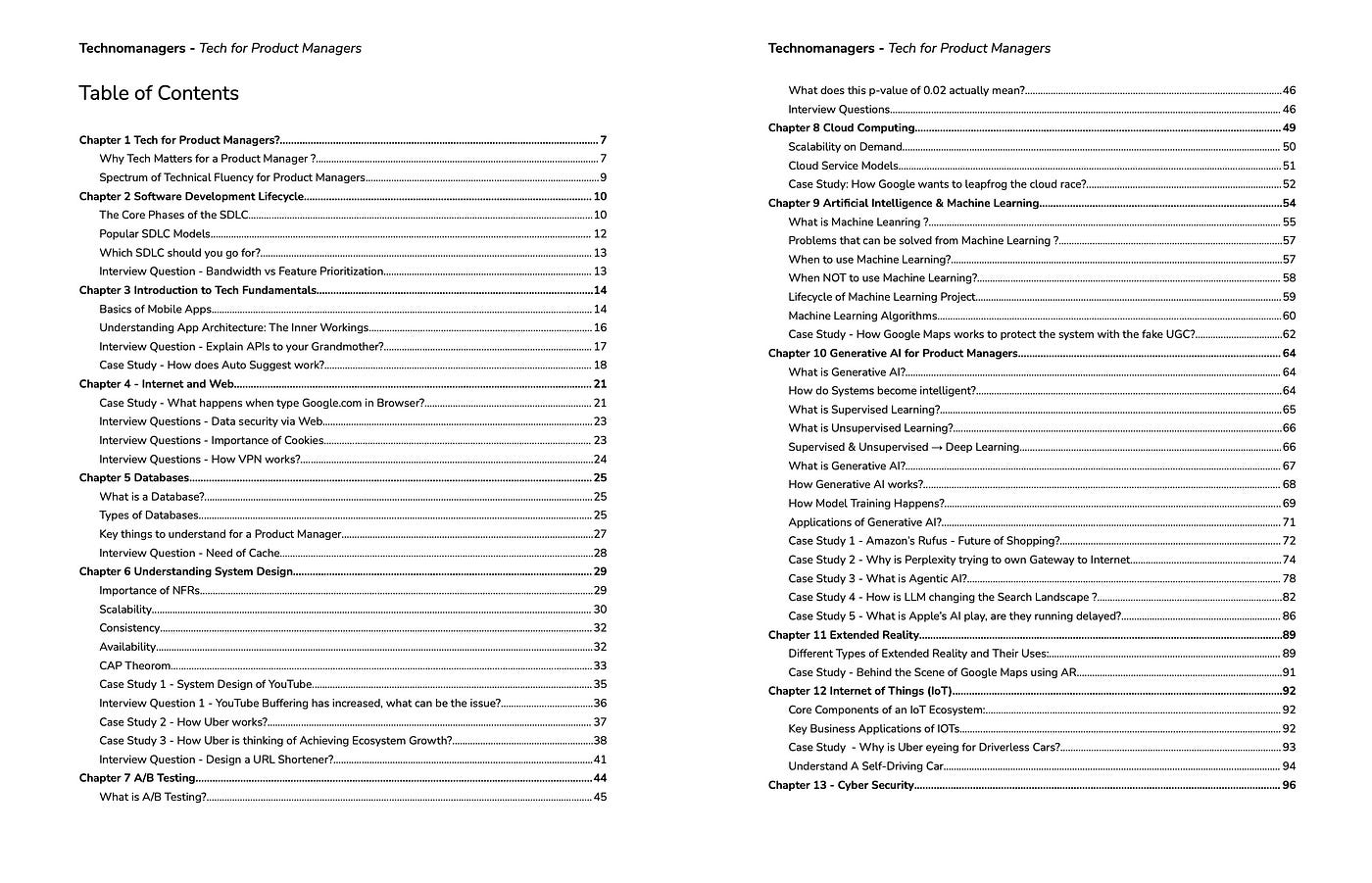
Above Book we have explained everything with a Case Study Based Approach, this can be a game changer in your Product Management Career
Credits — Anthony Saltarelli
Hey, I’m Shailesh Sharma! I help PMs and business leaders excel in Product, Strategy, and AI using First Principles Thinking.
For more, check out my Live cohort course, PM Interview Mastery Course, Cracking Strategy, and other Resources