

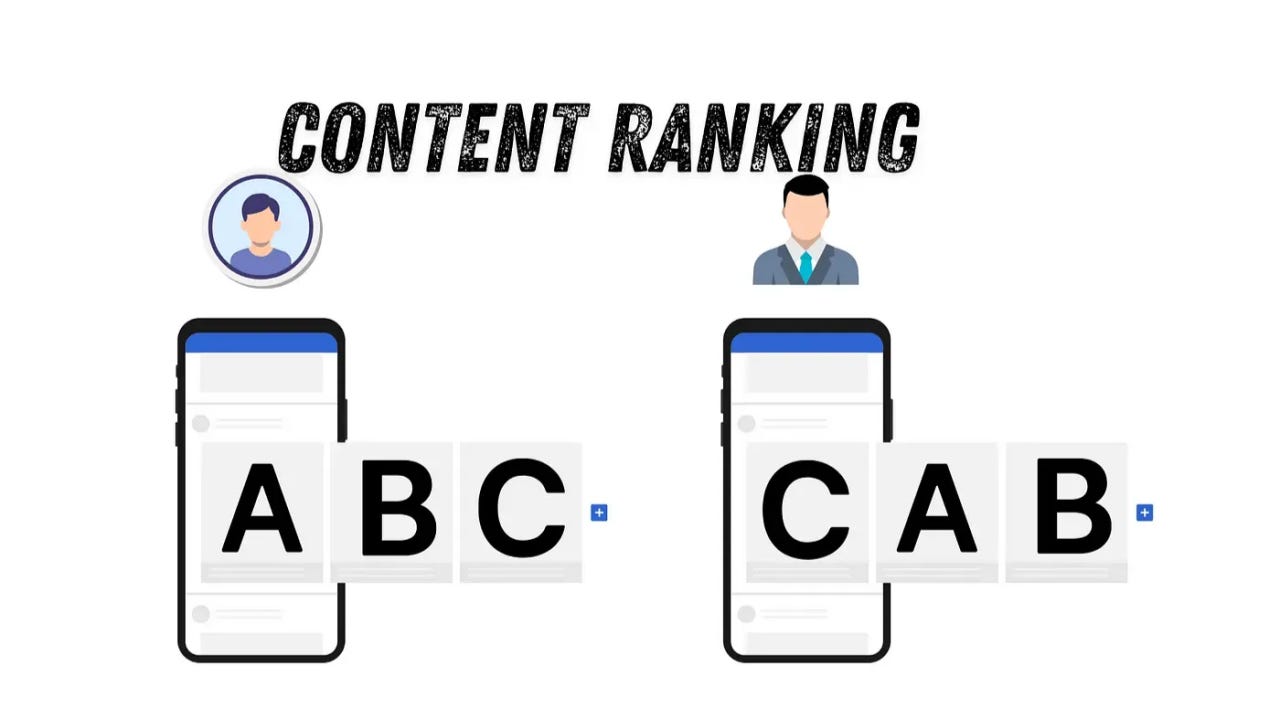
The ranking of Instagram Reels is a complex, machine learning (ML)-driven process that optimizes what users see in their feeds to boost engagement, user retention, and overall experience.

Don’t Wait → Start to Learn AI, we have written a book which is very easy to understand for Product Managers — Download Tech / AI for Product Managers
For a Product Manager (PM), understanding the ranking process from a product management perspective means grasping how the algorithm prioritizes content, what metrics drive its success, and how ML models can be deployed and maintained for consistent results.
This chapter will explore how Instagram might rank Reels using ML, breaking down each step and offering real-world analogies and product management documentation examples.
In this Module, we will learn the following things
1️⃣ — Introduction to Ranking Algorithms in Social Media✔️
2️⃣ — Understanding Ranking for Instagram Reels✔️
3️⃣ — Data Requirements and Preparation & Building the Ranking Model✔️
4️⃣ — Key Features and Algorithms & Continuous Improvement✔️
1. Introduction to Ranking Algorithms in Social Media
In platforms like Instagram, Facebook, and TikTok, ranking algorithms are essential for personalizing user experiences and maximizing engagement.
The primary objective is to show users the most relevant content based on their past behavior, preferences, and trending interests.
In the case of Instagram Reels, this means selecting the most engaging Reels and placing them at the top of the user’s feed.

2. Defining the Product Vision and Objectives
For Instagram Reels, the PM defines the vision and business objectives of the ranking algorithm:
Vision: Create a personalized Reels feed that maximizes user engagement and satisfaction.
Objectives: Increase average watch time by x% within y months. Improve daily active users (DAU) by z%. Boost user retention on the platform by a%.
The PM ensures alignment between stakeholders (engineers, data scientists, UX designers) and business goals, defining how success will be measured.
3. Data Requirements and Preparation
For Instagram to rank Reels effectively, the model needs access to high-quality, relevant data.
As a PM, you’ll work with data scientists to define the data sources and features required to train the ranking model.
Data Requirements:
User Activity Data: Likes, comments, shares, watch time, past engagement on Reels.
Content Metadata: Reel length, hashtags, audio type, creator engagement levels.
User Profile Data: Age, location, language, device type.
Trending Topics and Hashtags: Popular content on the platform or in the user’s location.
Data Preparation:
Data Cleaning: Remove duplicates, handle missing data.
Feature Engineering: Create additional features, such as average watch time or recently liked genres.
Normalization: Standardize data to prevent bias from features with large ranges (e.g., like counts vs. watch times).

4. Building the Ranking Model: Key Features and Algorithms
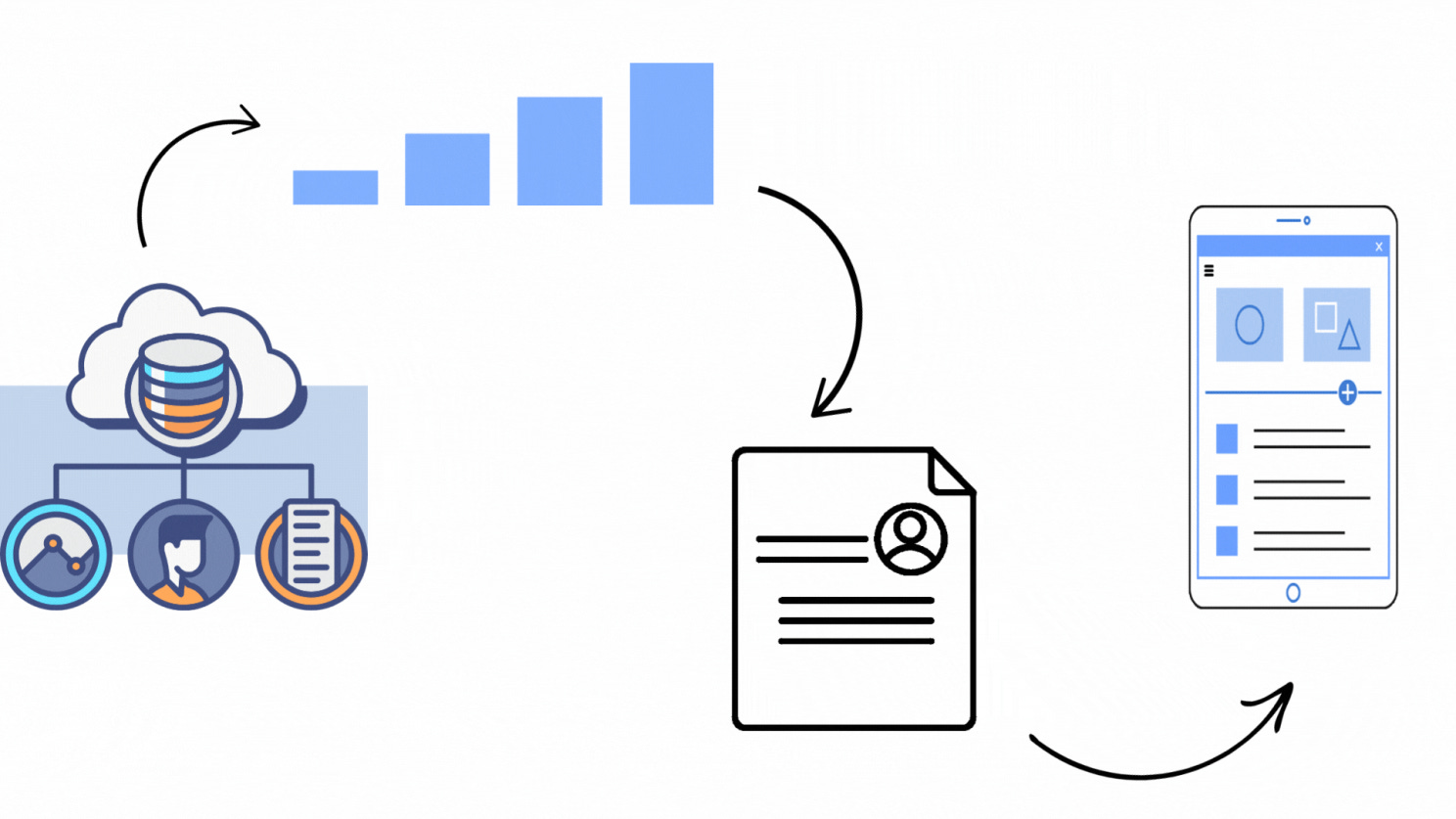
The PM collaborates with the data science team to select
5. Key Features to Include:
Reel Engagement Metrics: Likes, comments, shares, saves.
User Behavior Metrics: Time spent watching, skip rate, interactions with similar content.
Content Quality Score: Based on the creator’s past performance (engagement, follower count).
Trending Factor: Prioritizes Reels related to trending audio or hashtags.
6 (1) Algorithm Choice — Collaborative Filtering
Collaborative Filtering
User-Based Collaborative Filtering: Looks at similar users’ preferences. If User A and User B have similar viewing patterns, Reels that User A liked are recommended to User B.
Item-Based Collaborative Filtering: Focuses on similar items. If a Reel has been popular among users who like a particular genre or creator, it’s likely to be recommended to other users with similar interests.
6 (2) Algorithm Choice — Gradient Boosting Models
Gradient Boosting
Ensemble of Decision Trees: Creates a series of decision trees, each attempting to correct the errors of the previous one.
Weighted Voting: The final output is a weighted average of all decision trees, prioritizing features that consistently improve ranking accuracy.
Ranking Logic:
The model ranks Reels based on
7. Evaluating and Testing the Model
To ensure the ranking model performs as expected, the team evaluates it using specific
Evaluation Metrics:
Click-Through Rate (CTR): Percentage of Reels clicked after being shown.
Average Watch Time: Measures user engagement duration.
Completion Rate: Percentage of Reels watched to the end.
Testing Approaches:
A/B Testing: Split users into groups to compare performance with the existing algorithm.
Offline Evaluation: Run simulations using historical data to see how the model would have ranked Reels.
Online Testing: Deploy the model to a subset of users to monitor real-time performance.
8. Deployment Strategy for the Reels Ranking Model
The PM collaborates with engineers and data scientists to deploy the model seamlessly.
Deployment Considerations:
Batch Processing: The model can rank Reels in daily batches for specific content.
Real-Time Processing: For time-sensitive content, real-time processing prioritizes newly uploaded Reels based on trending scores.
Infrastructure:
Low-Latency Requirements: Ensure that the system ranks Reels with minimal delay (within milliseconds) for an uninterrupted user experience.
Continuous Improvement:
Retrain with Fresh Data: Regularly update the model with new user interaction data.
Feature Engineering Adjustments: Refine features based on user feedback and changing behavior patterns.
A/B Testing New Algorithms: Continuously test improved algorithms to ensure the best results.
PM Mock Interview, Resume Review and PM Resume Template
Tech & Strategy
More about PM Interview questions and Mock Interviews | YouTube | Website | Product Consulting