

In this article, we have given CV points examples across the different industries.

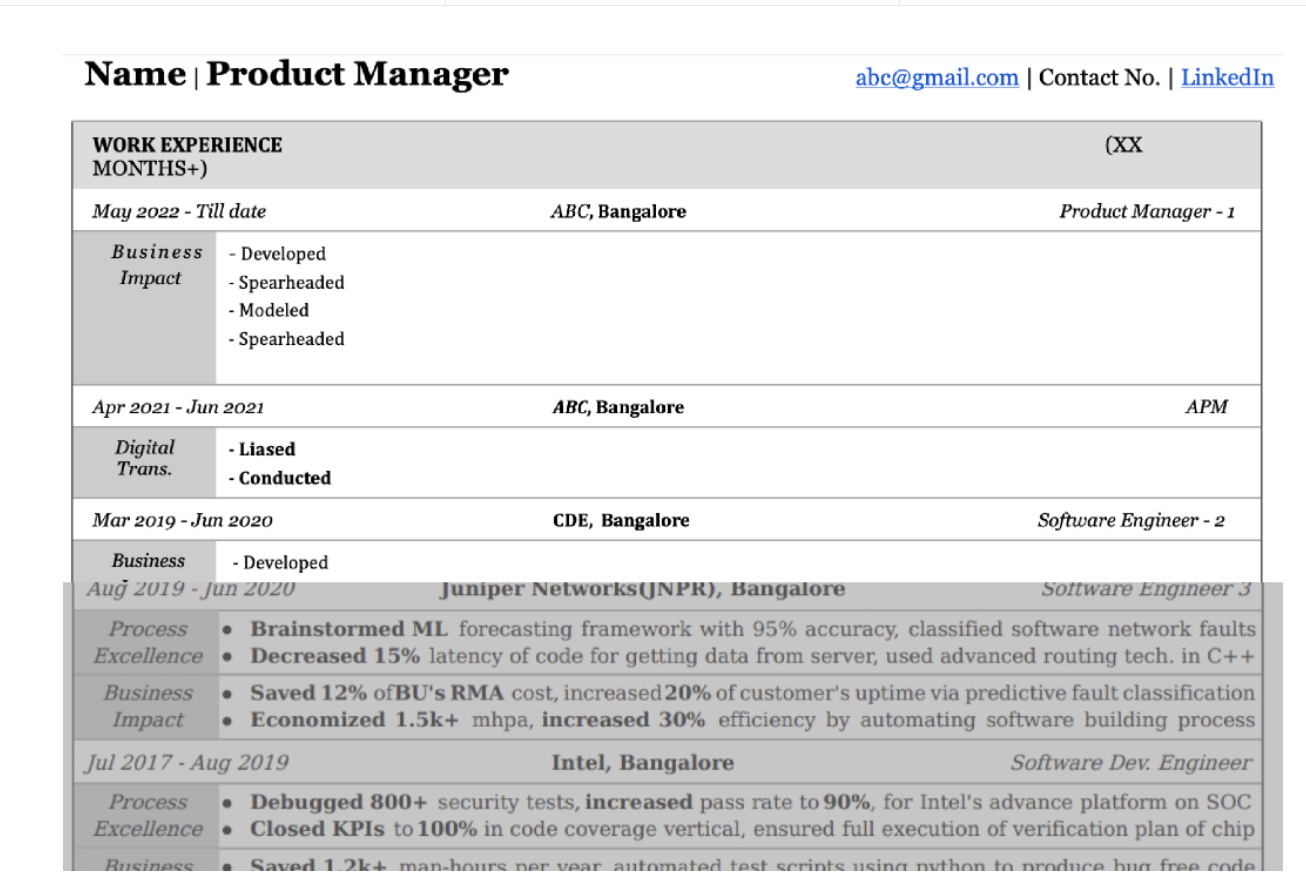
In the competitive job market, where resumes pile up on hiring managers’ desks, making yours stand out is crucial. While listing your responsibilities and skills is important, it’s quantifying your achievements that truly sets you apart. Numbers speak volumes, and by translating your accomplishments into measurable results, you showcase your impact and value like no vague description can.
But how do you translate your efforts into quantifiable achievements? This article delves deep into the art of resume datafication, providing a comprehensive guide with examples and actionable steps to help you transform your resume into a results-oriented masterpiece.
Why Quantify? The Power of Numbers:
Think about it: would you be more impressed by someone who simply says they’re a “good communicator” or by someone who claims to have “increased team communication by 20%, leading to a 15% reduction in project turnaround time”? The latter, obviously. Numbers not only add credibility to your claims, but they also paint a vivid picture of your contributions, allowing hiring managers to visualize your impact on previous roles.
Quantifiable achievements demonstrate:
Results-oriented mindset: You focus on outcomes and achieving goals.
Problem-solving abilities: You can measure and track progress, indicating your ability to tackle challenges effectively.
Analytical skills: You understand the value of data and can use it to tell a compelling story.
Impact and value: You go beyond simply “doing your job” and leave a measurable mark.
Metrics Matter: Choosing the Right Ones:
The type of metrics you use will vary depending on your industry, role, and specific achievements. Here are some common examples:
Sales/Revenue: Increased sales by 15%, generated $2 million in new business, closed 20% more deals compared to the previous quarter.
Efficiency/Productivity: Streamlined process X, saving 10 hours per week, improved output by 30%, reduced turnaround time by 25%.
Cost Savings: Identified and eliminated $5,000 in unnecessary expenses, negotiated a 10% discount with a vendor, implemented cost-saving measures resulting in a 15% reduction in operational costs.
Customer Satisfaction: Achieved a 95% customer satisfaction rating, increased positive online reviews by 20%, implemented a new customer service initiative that boosted retention by 10%.
Team Management: Led a team of 10 to achieve a 120% project completion rate, mentored 5 junior team members, implemented a training program that increased team productivity by 8%.
Crafting Compelling Statements: From Numbers to Narrative:
Simply throwing numbers onto your resume won’t suffice. Weave your metrics into a compelling narrative that showcases the context and impact of your achievements. Follow this formula:
Action Verb + Quantifiable Result + Context + Impact
Here’s an example:
“Developed and implemented a new social media marketing strategy, resulting in a 20% increase in website traffic and a 15% rise in brand awareness within 6 months, leading to a significant boost in qualified leads.”
This statement doesn’t just say you “did marketing.” It paints a picture of your initiative, the measurable results, and the positive impact on the company.
Examples Across Industries:
To illustrate further, let’s explore quantifiable achievements across diverse fields:
Marketing:
Increased website traffic by 30% through SEO optimization.
Launched a targeted email campaign that generated 1,000 qualified leads.
Managed a social media budget of $10,000, achieving a 20% return on investment (ROI).
Sales:
Exceeded sales quota by 20% two quarters in a row, generating an additional $250,000 in revenue.
Secured a new client contract worth $50,000, representing the largest single deal in company history.
Reduced sales cycle time by 15%, leading to faster deal closures and increased revenue flow.
Human Resources:
Implemented a new onboarding program that reduced employee turnover by 10%.
Developed and delivered training programs that improved employee productivity by 8%.
Successfully resolved X employee grievances, maintaining a positive work environment.
Finance:
Reduced operational costs by 12% through budget analysis and strategic spending cuts.
Improved financial reporting accuracy by 95%, enhancing transparency and decision-making.
Developed and implemented a new financial forecasting model that increased profitability by 5%.
Project Management:
Delivered project X on time and under budget, saving the company $10,000.
Increased project team efficiency by 20%, leading to faster completion times and improved resource allocation.
Managed a complex project with X stakeholders, ensuring smooth communication and successful outcomes.
Education:
Increased student test scores by 15% through innovative teaching methods.
Developed and implemented a new curriculum that improved student engagement by 20%.
Mentored X students, helping them achieve their academic and personal goals.
Remember: These are just a few examples to spark your creativity. Adapt them to your specific achievements and tailor them to the job you’re applying for.
Beyond Numbers: Showcasing Soft Skills:
While quantifiable achievements are powerful, don’t neglect the importance of soft skills. Translate these qualities into quantifiable terms as well. Here are some examples:
Leadership: Spearheaded a team of X volunteers to organize a successful fundraiser, raising $Y for charity.
Communication: Successfully negotiated a contract with a key vendor, saving the company Z.
Problem-solving: Identified and resolved a technical issue that was impacting customer service, improving resolution rates by W%.
Final Touches: Formatting and Presentation:
Once you’ve crafted your quantifiable achievements, ensure they stand out visually:
Use bullet points: Make your achievements easy to scan and read.
Bold key metrics: Draw attention to the impactful numbers.
Action verbs: Start each bullet point with a strong action verb that demonstrates your initiative.
Keep it concise: Aim for 3–5 bullet points per role, focusing on your most impactful achievements.